Anyone who has mastered a craft over the years forgets how hard the first moves were. It's the so-called 'curse of expertise': we take for granted steps that, for a beginner, are huge hurdles. The most effective way to improve a workshop isn't to add content, but to anticipate the exact points where people always stumble.
Anticipating mistakes, rather than correcting them, is one of the secrets that set a smooth workshop apart from a frustrating one. A participant who keeps going wrong on the same point loses confidence and the fun of it; one who is guided around the trap before falling into it feels capable and enjoys the experience. And the beauty is that beginner mistakes aren't random: they're predictable, and what's predictable can be prevented.
Map the three or four recurring mistakes
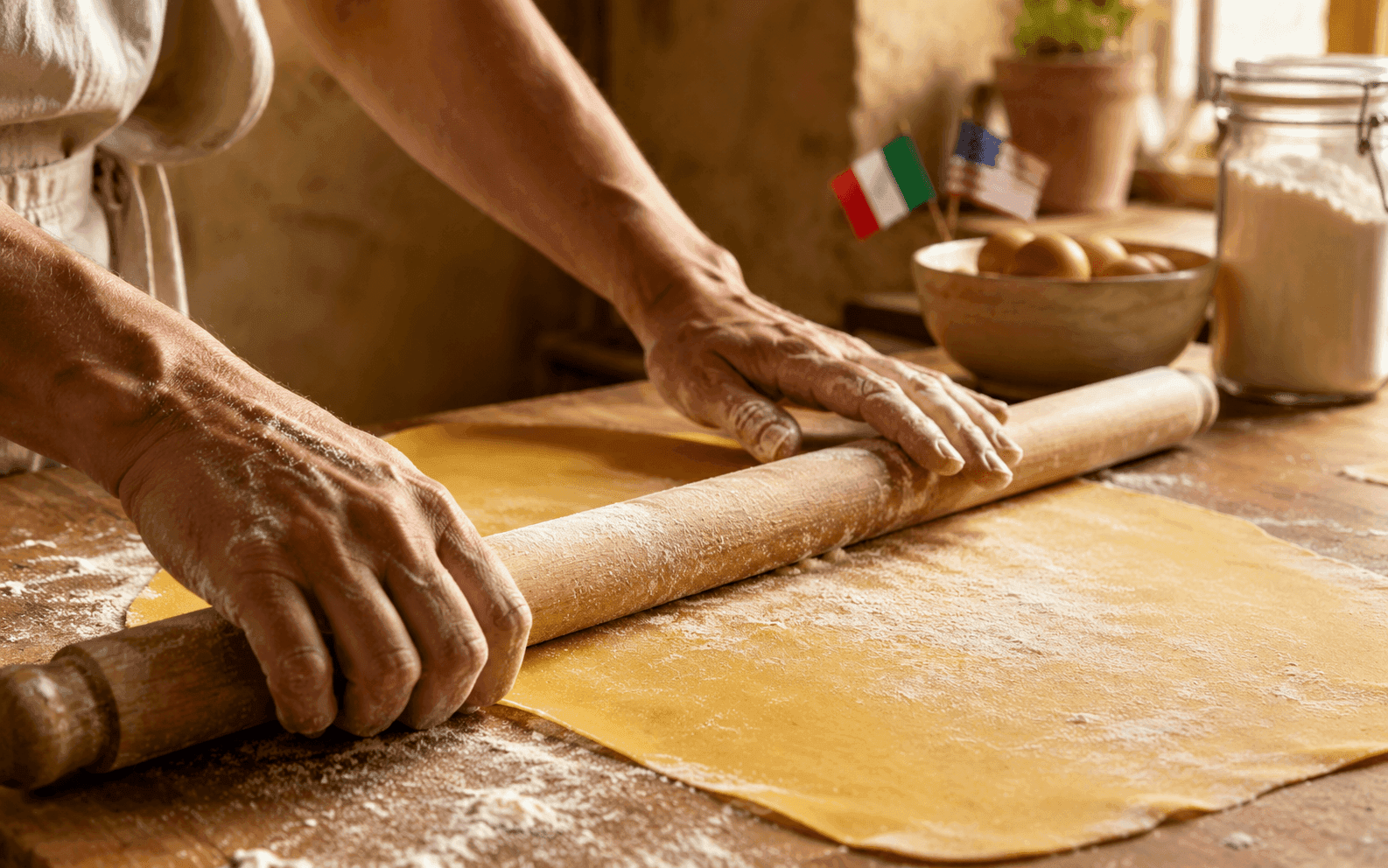
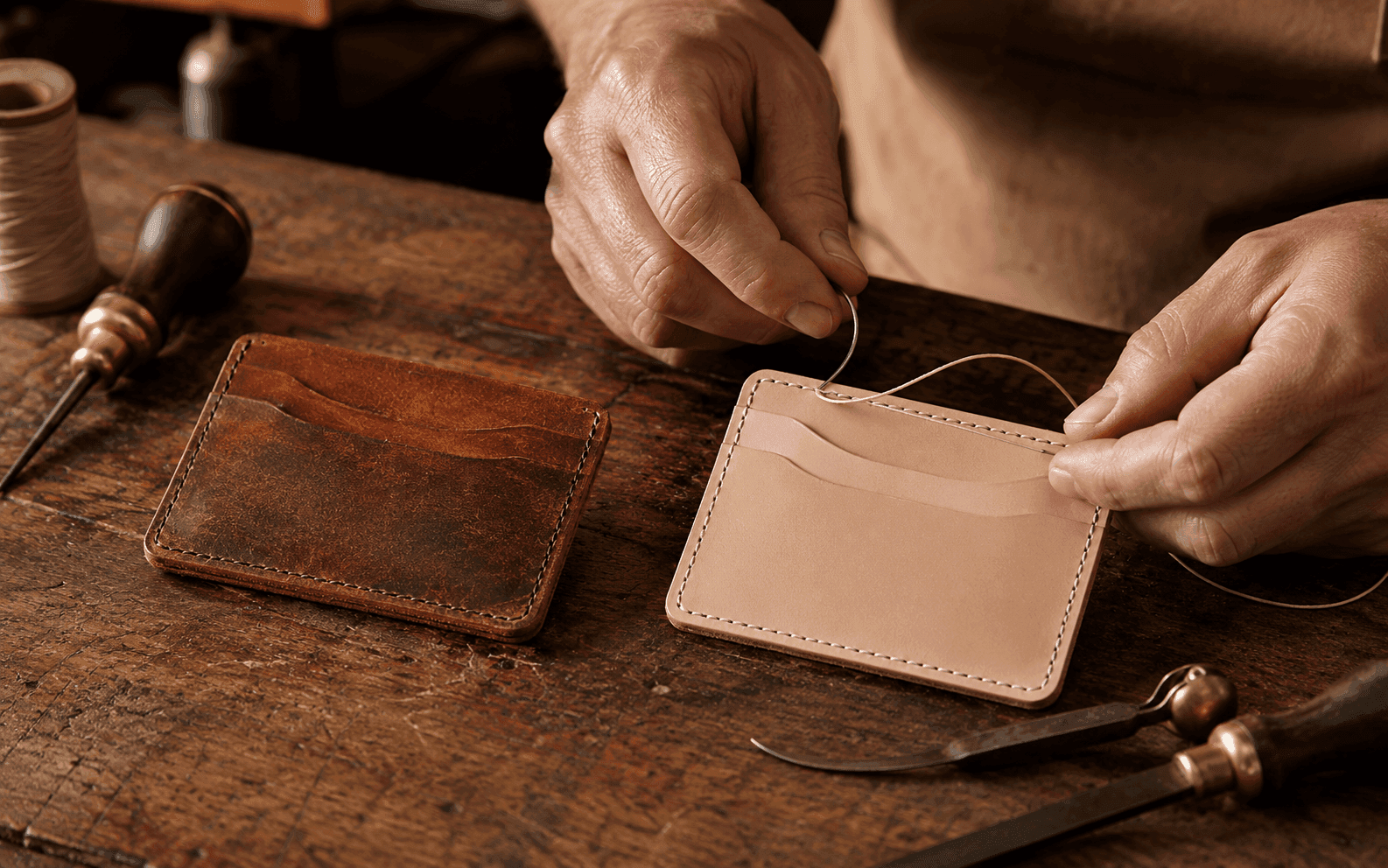
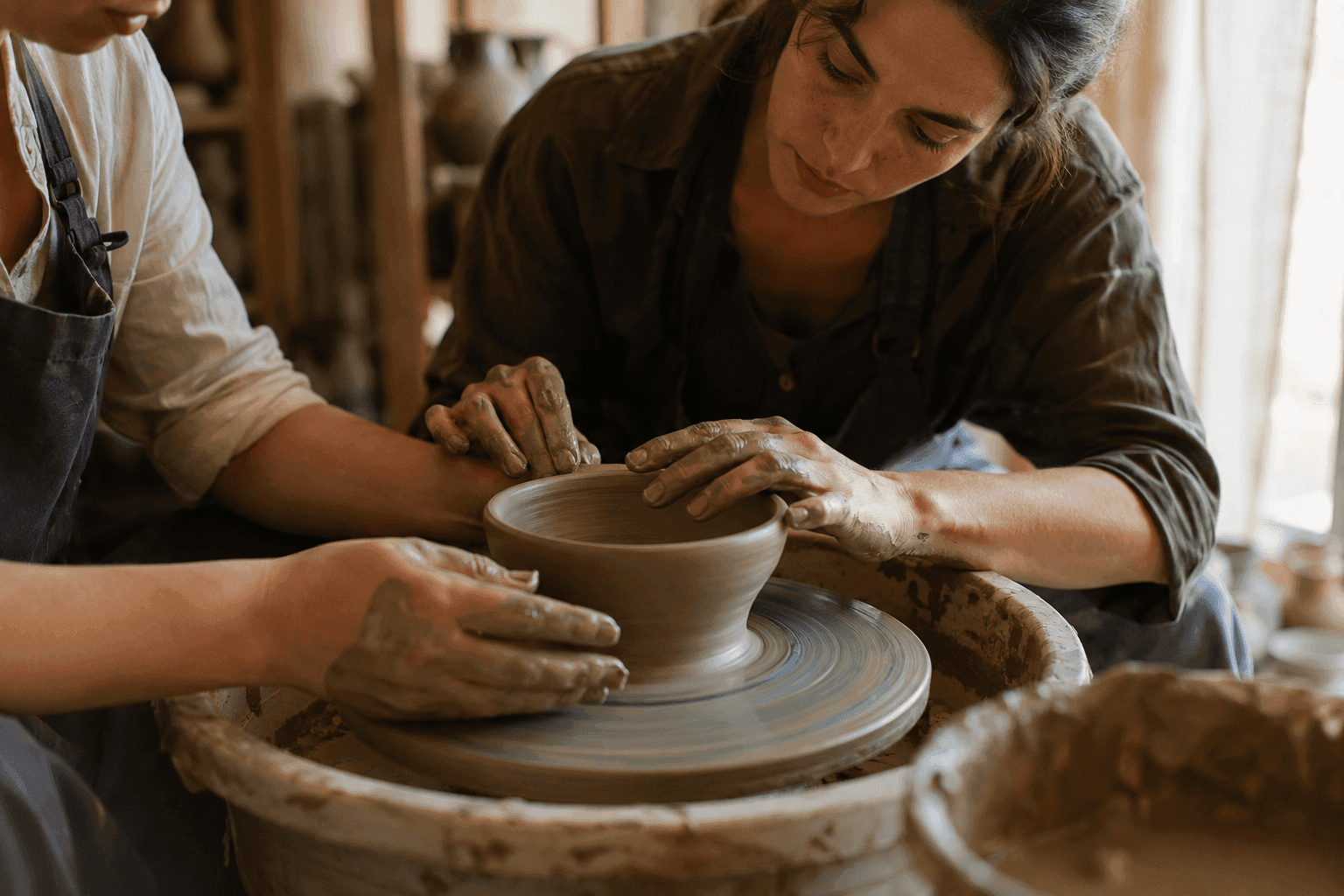
Every discipline has a small repertoire of mistakes that come up again and again: the wrong pressure on the wheel, thread pulled too tight, dough worked too much, a tool held badly. After a few sessions you know them by heart. Write them down. Having an explicit list of the tricky points lets you step in before the mistake happens, instead of chasing it afterwards.
Three ways to prevent instead of correct
- Name them in the demonstration: as you show the move, say out loud 'here the temptation is to do X, but that's exactly the mistake to avoid'. Hearing it before is worth more than being corrected after.
- Set up the environment: if a mistake stems from a badly prepared material or the wrong tool, solve it upstream by getting the correct setup ready yourself.
- Create checkpoints: at a few key moments, stop and have everyone check the same step before moving on, so you catch mistakes while they're still fixable.
Tell the mistakes that matter from the ones that don't
Not all mistakes should be prevented in the same way, and confusing them is a waste of energy. The ones that irreparably ruin the piece or breed frustration should be blocked upstream, firmly. The small, recoverable or even interesting ones — a smudge that gives character, an unexpected variation — should be allowed to live: they're part of the charm of the handmade and sometimes deliver the most beautiful results: the same principle applies when you need to give feedback without killing the enthusiasm. Knowing where to step in and where to let it ride is what makes a teacher relaxed rather than obsessive, and an experience enjoyable rather than rigid.
Turn the mistake into a moment of value
When a participant goes wrong, the tone is everything. Lighten it, explain why it happened and show how to fix it: in many crafts recovering from a mistake is one of the most precious skills to pass on. Someone who also learns to 'rescue' a piece that's come out wrong leaves the workshop with far more than an object: they leave with confidence.
Domande frequenti
- How do I know the typical mistakes if I've only just started teaching?
- Watch and note: in your first sessions, jot down every time you step in and what for. In three or four workshops you'll have a very clear list of the points where everyone stumbles.
- Is it better to prevent or let people make mistakes to learn?
- It depends on the stakes. Mistakes that ruin the piece or create frustration should be prevented; the small, recoverable ones can become great teaching moments if you immediately show how to fix them.
- What do I say to someone discouraged by a mistake?
- That the first piece is never perfect and that 'going wrong' is part of the craft even for professionals. Showing how to recover from a mistake turns discouragement into confidence.
- Doesn't preventing mistakes make the workshop too rigid?
- No, if you prevent with a light touch: flagging the most common traps out loud and preparing a good setup doesn't take freedom away, it gives it, because it frees participants from the frustration of going wrong on the tricky points. The aim isn't total control, but making sure everyone enjoys the doing without the hitches that spoil the experience.
Create your profile for free, publish your workshops and introduce your technique to people eager to learn in person.
Bring your craft to Handsome