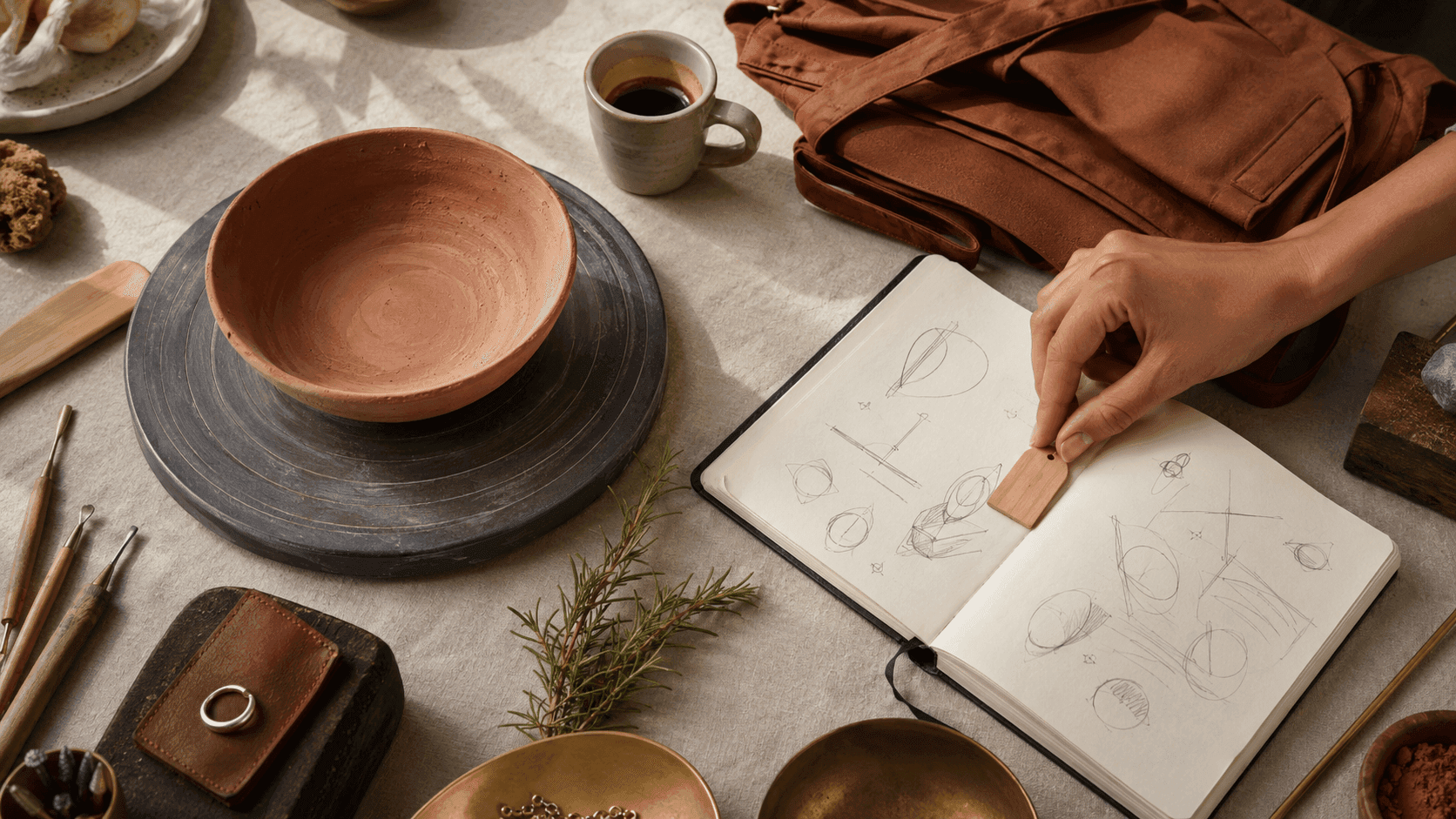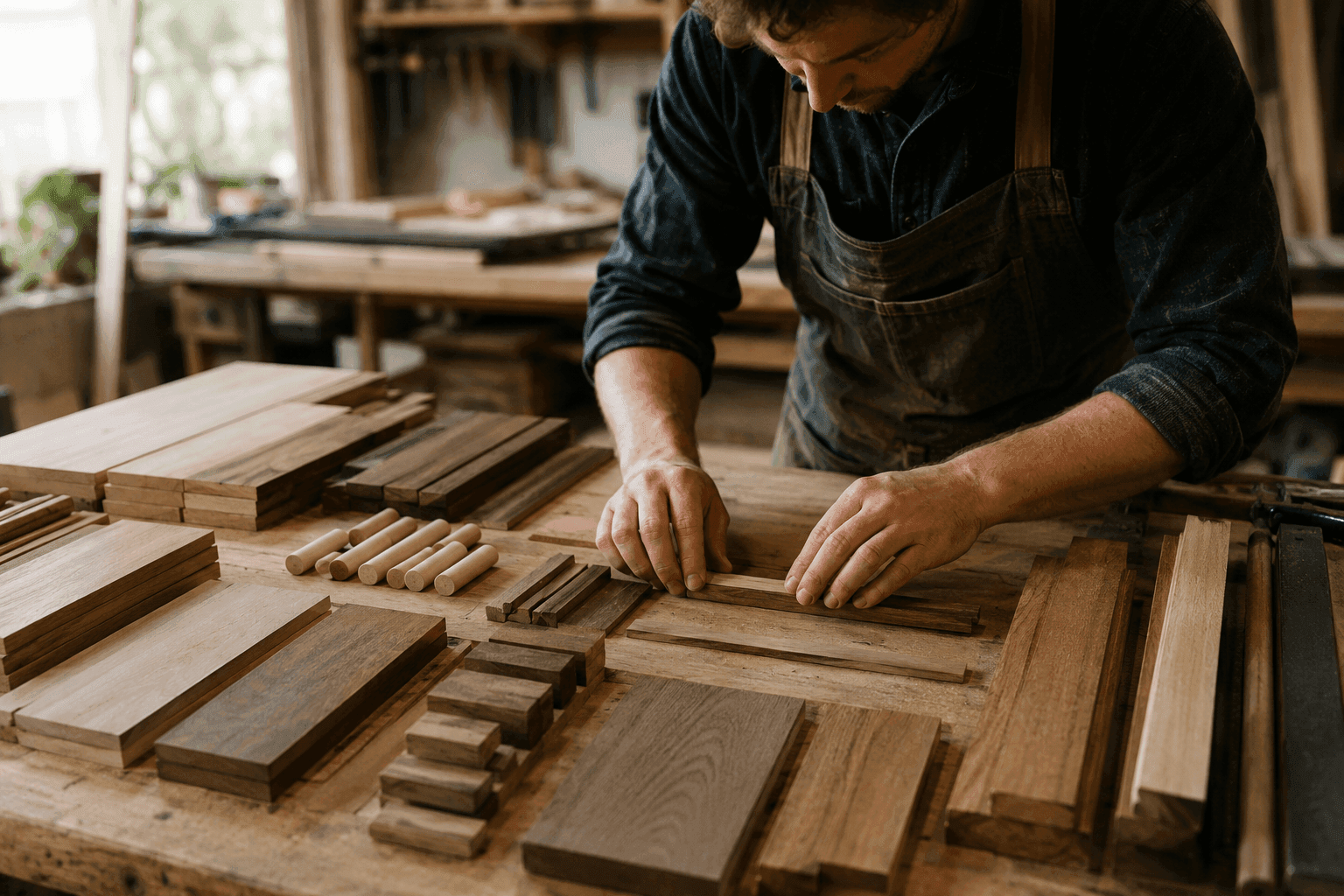
Materials are often the biggest cost item in a workshop after your time. Portioning them carefully doesn't mean being stingy with participants: it means having control over your margins, avoiding last-minute supply runs and cutting the waste that, added up across dozens of sessions, really weighs on you.
There's a delicate balance to find: portion too tightly and participants feel 'rationed' and the experience suffers; portion by eye and in excess and you erode your margins session after session. The sweet spot is in the middle, and you reach it with a bit of method rather than instinct. The good news is that you only need to work it out once per workshop: then it becomes automatic and works for you at every edition.
Work out the quantity per participant
The starting point is simple: define precisely how much material the project takes for one person, then add a reasonable margin for attempts and mistakes (beginners use more than you do). From there you get the requirement per group by multiplying by the number of places. Having this figure for each of your workshops lets you prepare the kits in advance and know exactly what each participant costs you.
Concrete strategies to reduce waste
- Recover the reusable leftovers: many materials (unfired clay, fabric or leather offcuts, wax) can go back into the cycle or serve for exercises and trials.
- Keep a small safety stock, but avoid over-buying perishable materials or ones that might sit unsold for a long time.
- Use the scraps as teaching material: having people try a move on an offcut before working on the 'good' piece reduces mistakes on the prized material.
- Standardise your projects: fewer variations mean simpler buying, more precise portioning and fewer different leftovers to manage.
Buy with care: it counts as much as portioning well
An often overlooked part is buying: buying well affects your margins as much as portioning well does. A few tips that make the difference over time:
- Buy in bulk the materials you always use and that keep well: the unit price drops and you never run dry on your main consumables.
- Build a relationship with a few trusted suppliers: continuity often brings better terms and priority on supplies.
- For perishable or niche materials, buy based on actual bookings, not 'just in case': you avoid stock that spoils.
- Keep a small, tidy store and you'll always know what you have: half of all waste comes from re-buying what was already there, forgotten.
Tie materials to the price, honestly
Knowing the material cost per participant is also the basis for setting a sustainable price. If a workshop uses prized materials, it's perfectly legitimate for it to cost more: what matters is that the participant perceives the value of what they use and take home. Transparency ('you'll use this material, of this quality') helps justify the price far more than a discount.
Domande frequenti
- How much extra material should I allow beyond what's needed?
- Enough to cover beginners' attempts and mistakes without running dry, but without going overboard on anything that deteriorates. The right amount gets fine-tuned by watching the real consumption in your first sessions.
- Is it worth charging for materials separately?
- In most experiential workshops materials are included in the price: it's simpler and perceived as fairer. Keep them separate only if you expect highly variable quantities or prized materials chosen by the participant.
- How do I cut waste without making participants feel 'rationed'?
- Give everyone a comfortable amount to work well, but have them try the new moves on the scraps before the final piece. That way you save on the prized material without taking away any freedom.
- How do I know if I'm spending too much on materials?
- Compare the material cost per participant with the workshop price: if materials eat up a disproportionate slice, either the price is too low or the materials need optimising (buying, portioning, scrap recovery). Tracking this ratio, session after session, immediately flags when something is out of proportion.
A free profile, bookings and payments all in one place: so you can focus on your craft instead of on the admin.
Manage your workshops on Handsome