Two artisans offer the exact same workshop. One fills the calendar, the other struggles. Often the difference isn't in the experience, but in how they tell it. The words you use in the description can draw a person toward booking or, without you realizing it, push them away. You don't need ad-agency techniques: you need to know which words create connection and which create distance or fear.
The good news is that writing well doesn't mean becoming a copywriter or using flashy formulas: it means being clear, concrete and human. The words that sell most, in the world of craft, are almost always the simplest and most sincere — the ones that let people picture the experience and that make them feel welcome. Often it's more about removing the wrong words than adding magical ones.
Words that draw people in
- Concrete, sensory words: saying what you touch, see and create ('you'll shape the clay on the wheel') is more powerful than abstract concepts.
- Words that reassure beginners: 'no experience needed', 'I'll guide you step by step', 'it's normal to get the first pieces wrong'.
- Words that let people picture the result: 'you'll take home your own bowl', 'you'll leave with a fragrance that's all yours'.
- Words about you and your craft: your story builds trust and sets you apart.
Words that hold people back
- Repeated empty superlatives ('unique, magical, unforgettable experience'): they say nothing and sound like everyone else.
- Unexplained technical jargon: it makes beginners feel out of their depth.
- Intimidating tones ('for true enthusiasts', 'advanced level') when you actually want beginners too.
- Vagueness about price, duration and what's included: uncertainty is one of the main things that stops a booking.
Write for the reader, not for yourself
The underlying mistake in so many descriptions is that they're written for the person writing them, not for the person reading them. The artisan tells what matters to them — the technique, the materials, their own skill — instead of what interests the reader: how they'll feel, what they'll take home, whether they'll be up to it. Flip the perspective: for every sentence, ask yourself, 'does this answer a need or a doubt of the person reading?'. A description that starts from the reader, from their fears and their desires, converts far more than one that only talks about you.
Show instead of telling
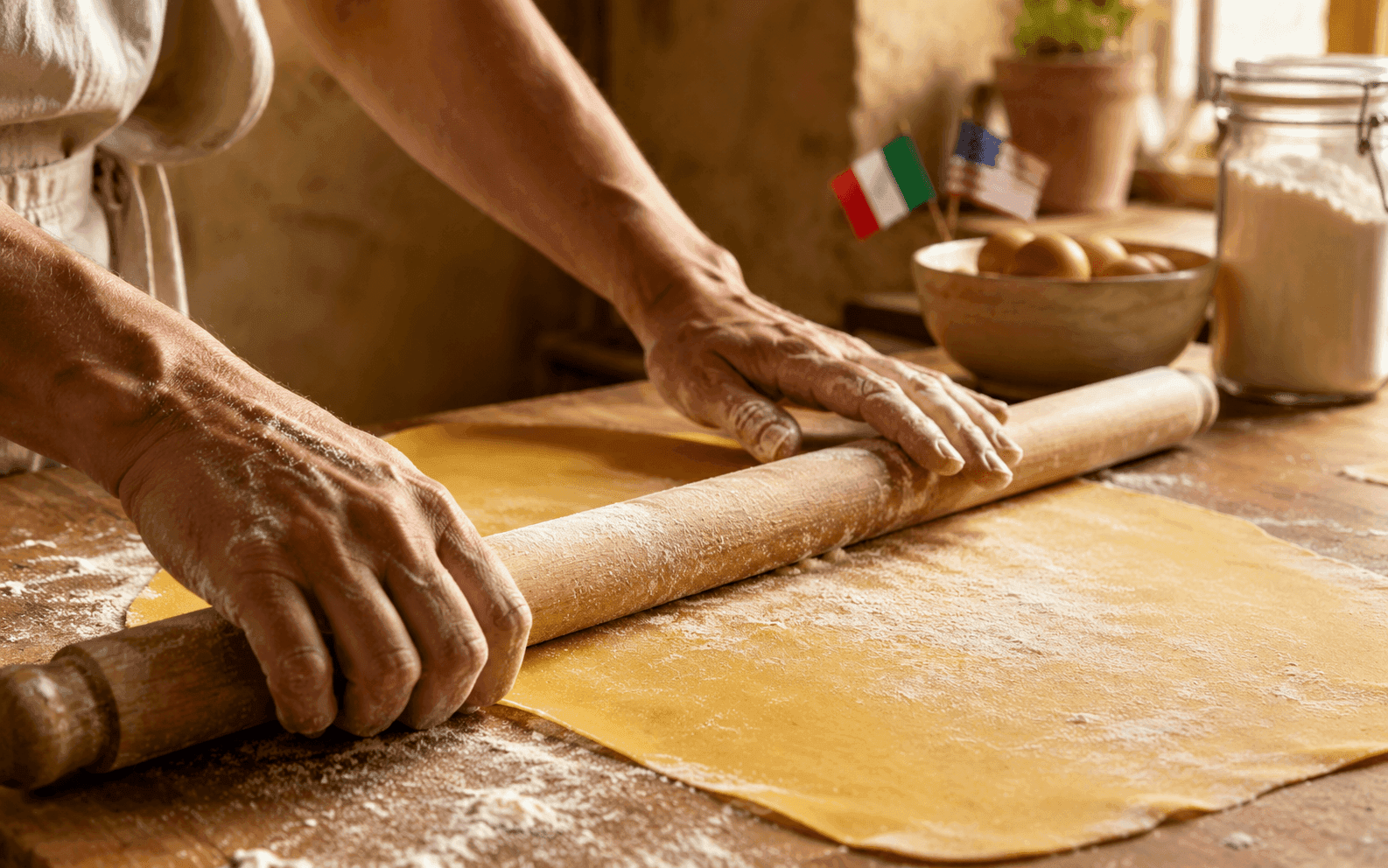
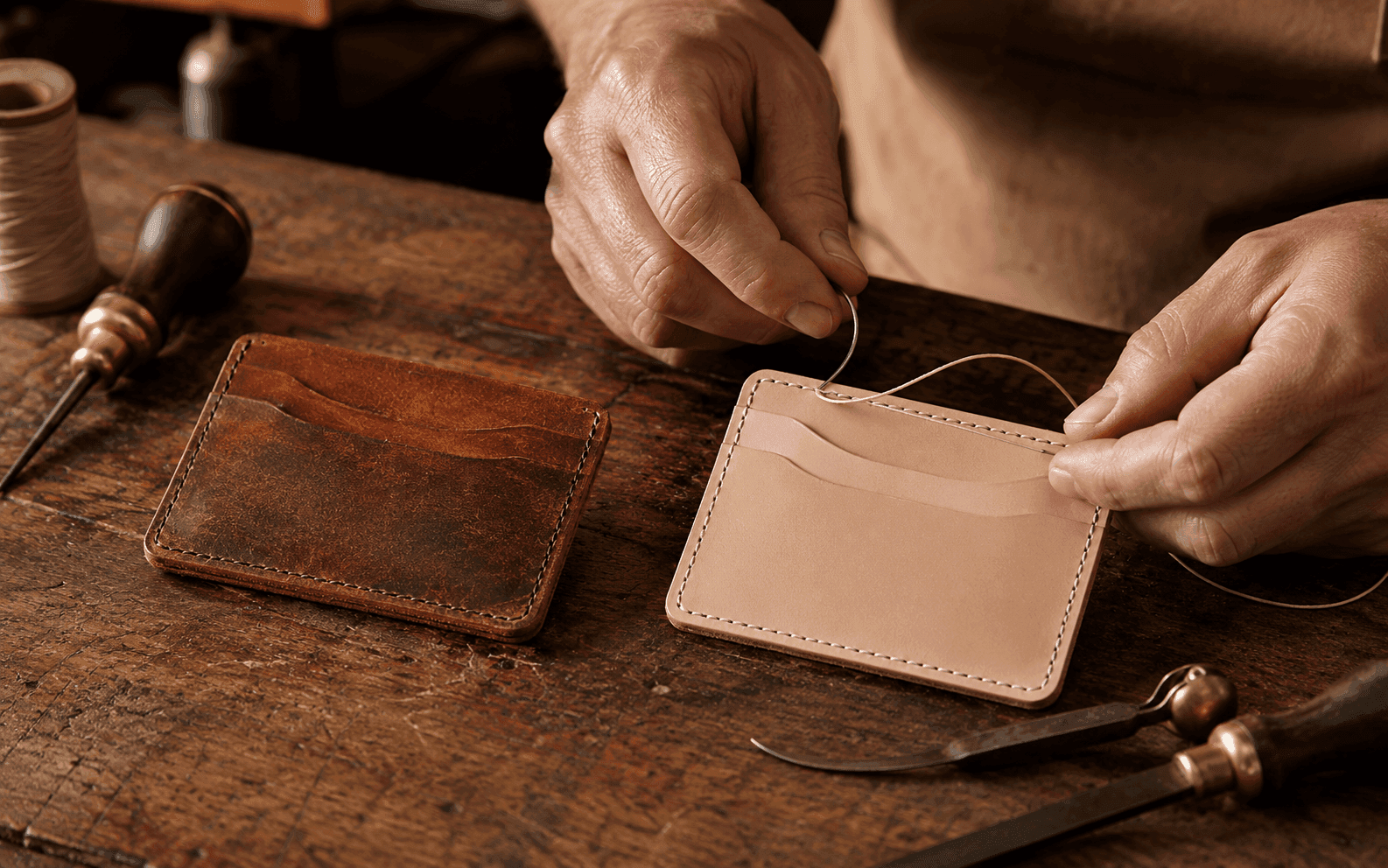
Instead of stating that the experience is 'wonderful', show it with the concrete details that make it so: the smell of the wood, the group's laughter, the object taking shape under their hands. People trust what they can picture, not adjectives. The most effective description doesn't shout how beautiful the experience is: it lets you see it, and leaves the reader to think it.
Domande frequenti
- How long should a workshop description be?
- Long enough to let people picture the experience and answer the main doubts, without becoming a wall of text. Concrete, sensory sentences beat long descriptions full of generic adjectives.
- Should I write in a 'professional', detached way?
- No: a human, personal tone that also tells your story and your craft builds more trust and connection. People book from a person, not from anonymous text.
- What's the most common mistake in descriptions?
- Filling them with empty superlatives ('magical, unique, unforgettable') that sound like everyone else's, and leaving price, duration and what's included vague. Concreteness and clarity convert more than emphasis.
- Should I use the same words for every workshop or vary them?
- The concrete words of your discipline should always be there (they're the ones that attract and get found), but tailor the tone and details to each workshop's specific audience: an experience for beginners calls for reassuring words, one for enthusiasts can afford more technical language. The constant rule is clarity; what changes is the nuance, depending on who you want to attract.
Create your profile for free: guided fields help you describe the experience with the right words to attract and reassure.
Tell your workshops well on Handsome