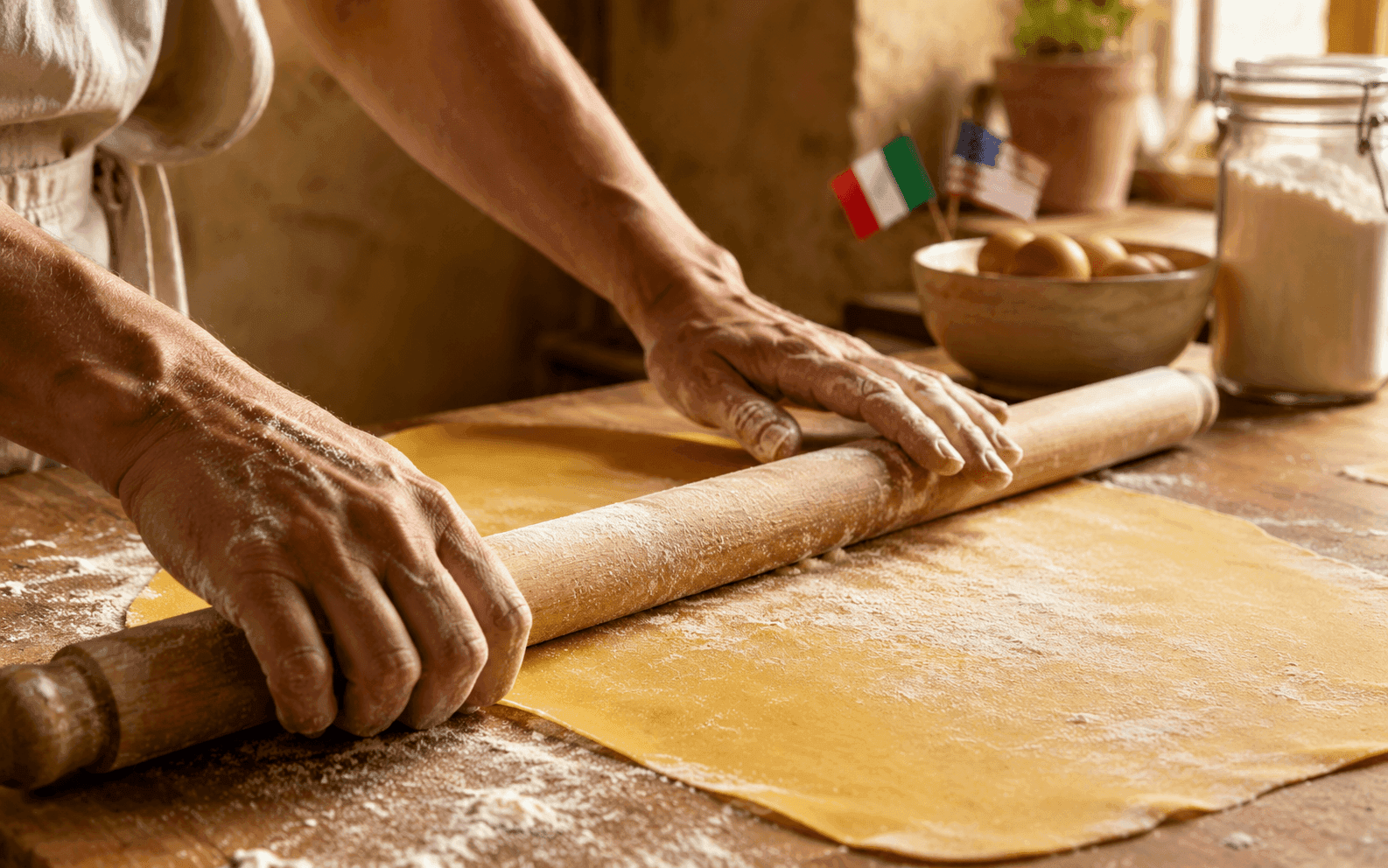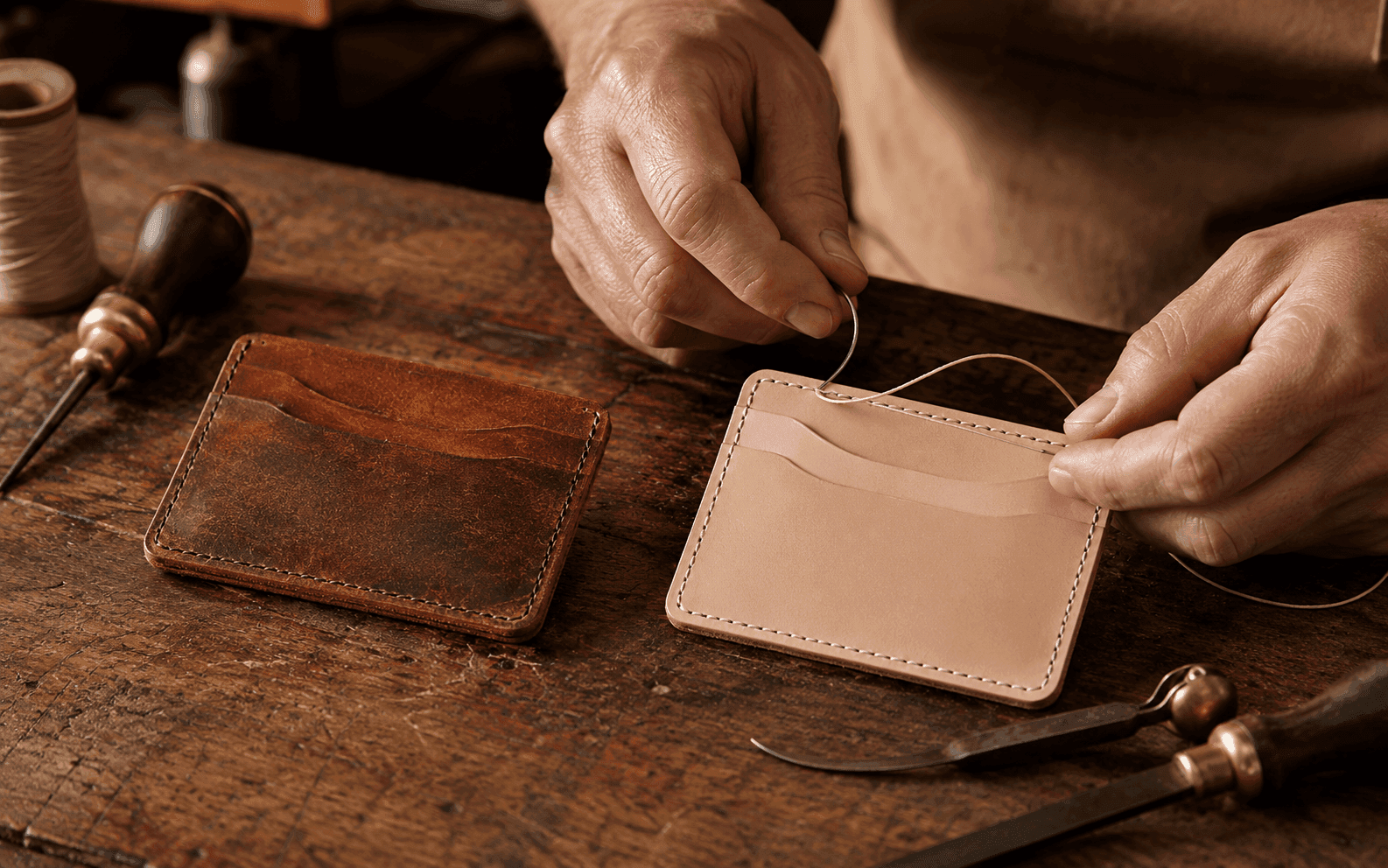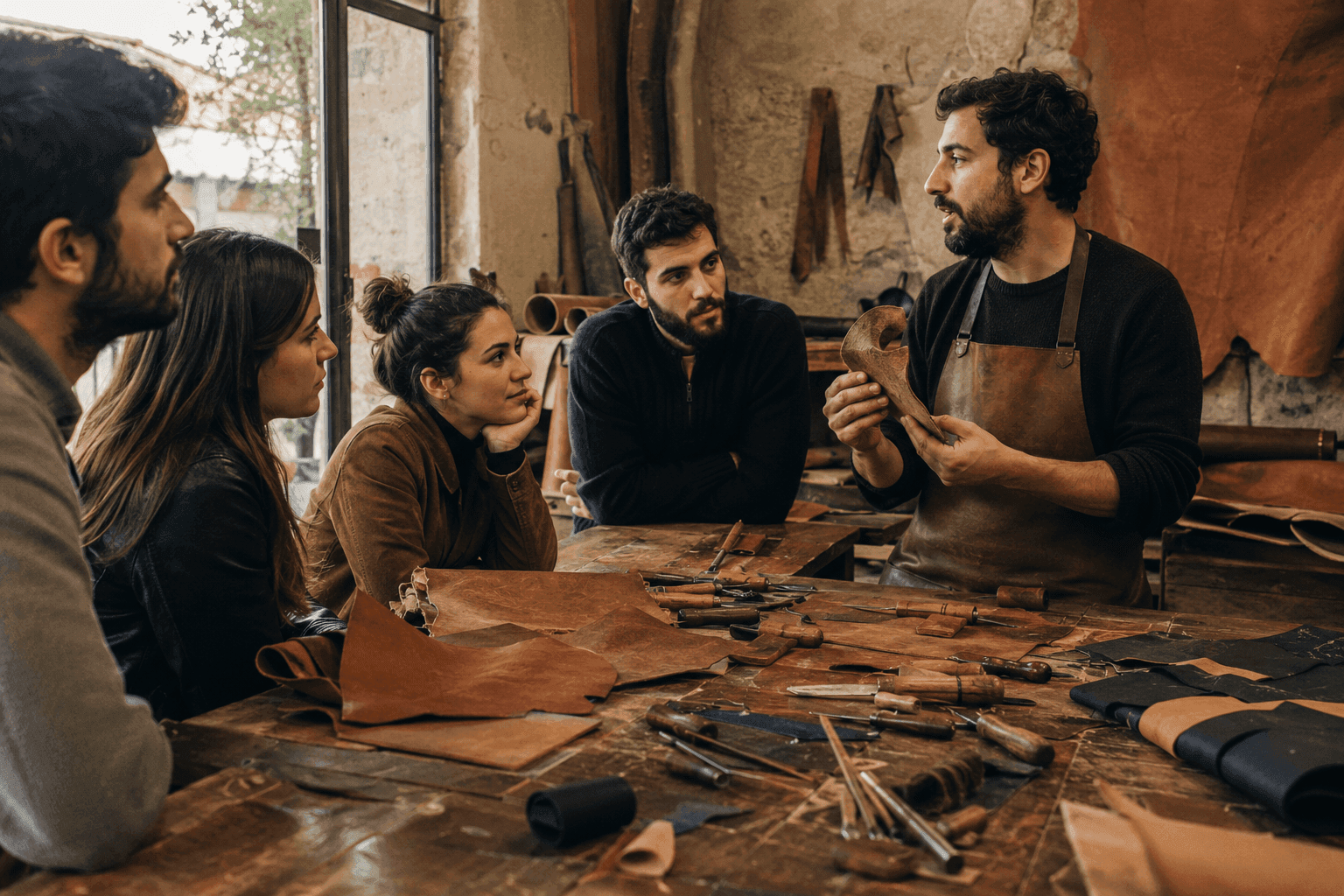
There's something that makes your workshop impossible to copy: your bond with your region. Technique, after all, can be learned in plenty of places; but your technique rooted in a specific place, with its history, its traditions, its materials, its culture, is unique and inimitable. Weaving the story of your region into the experience turns a workshop from a simple hands-on activity into a small journey through the culture of a place — and it's one of the things participants, tourists especially, appreciate and remember most. Your region isn't a backdrop: it's part of the value you offer.
The place is part of the experience
Think about how much an experience changes when you understand where you are. A workshop in an ancient technique takes on a whole new depth if you know that the technique has been practised in that area for centuries, if you know the story behind it, if you understand how the land shaped it. For the participant, and even more for someone coming from elsewhere, this context turns doing into understanding, activity into culture. They're not just learning to make something: they're connecting with the soul of a place, through your hands and your words.
What to tell about your region
- The tradition of your craft in the area: how long it's been practised, why it took root there, how it has evolved.
- The local materials: if you use local raw materials, tell their origin and their connection to the place.
- The stories and anecdotes: the characters, the historic workshops, the little curiosities that bring it all to life.
- The present: how you, today, carry forward and reinterpret that tradition. You're a link in a living chain.
Connect the object to the place
The object a participant takes home becomes far more precious when it's tied to a story about the region: it's not 'a bowl', it's 'a bowl made with this place's traditional technique, handed down for generations'. That connection turns a souvenir into a piece of culture, something the participant will tell their friends about as they show it off. You've given the object a story, and stories are what make things memorable and fuel word of mouth.
Be an ambassador, with authenticity
When you tell the story of your region, you become, in a way, its ambassador: participants go home with a piece of that culture and a story to share. Do it with authenticity and pride, not with the fake tone of tourist attractions. Anyone can feel the difference: a real, lived, passionate story is the exact opposite of impersonal mass tourism, and it's precisely what people choosing an artisan experience are looking for. Your genuine bond with the place is a richness no competitor can replicate.
Domande frequenti
- Why does telling the story of the region add value to the workshop?
- Because your technique rooted in a place, with its history and traditions, is inimitable: it turns a hands-on activity into a journey through the culture of a place. It's one of the things participants, tourists especially, appreciate and remember most, and it sets you apart from anyone teaching the same technique elsewhere.
- Do I need to give a history lecture during the workshop?
- No: a few well-chosen stories, woven in at the right moments (while hands are busy, during a break), are enough. A story told well at the right time is worth more than a lecture and doesn't weigh down the hands-on experience.
- What should I tell about my region?
- The tradition of your craft in the area, the origin of local materials, stories and anecdotes that bring it to life, and how you carry that tradition forward today. Connect the object to the place too: not 'a bowl', but 'a bowl made with the traditional technique from here'.
- Does it only work with foreign tourists?
- No: Italian visitors and locals also love discovering the history and traditions of their own region. An authentic story of the place enriches the experience for everyone and positions you as the keeper of a tradition, not just another person running workshops.
Create your profile for free and share the bond between your craft and your region: it's what makes you unique to people looking for authentic experiences.
Tell your tradition on Handsome