When someone gets home and describes the workshop they did, they rarely mention the kiln temperature or the weight of the thread. They describe an atmosphere: the warm light, the smell of wood, the music in the background, the feeling of having had a good time. The technical part is the substance, but the atmosphere is what stays. Looking after it on purpose, the way a director handles a scene, is one of the most underrated ways to make an experience memorable.
It's not about turning your studio into a film set, or spending serious money. It's about becoming aware that every sense you engage — sight, hearing, smell, touch, taste — shapes how a person lives and remembers the experience. Sensory direction is simply the deliberate choice to look after these details instead of leaving them to chance. And almost always it takes very little to change everything.
Light: the first thing you feel
Light sets the mood of the room before a single word is spoken. Most handcraft needs functional light on the work surface, but the overall space gains a lot from warm, soft tones rather than a cold, flat strip light. Where you can, make the most of natural light: move the benches closer to the windows and keep the artificial light as backup.
Sound: filling the right silences
A low-volume playlist fills the quiet moments and helps shy participants feel less exposed. Choose instrumental or otherwise unobtrusive music: it should be a backdrop, not the star. Keep the volume low enough to talk without raising your voice, and turn it down during explanations.
Scent and taste: the senses that lock in the memory
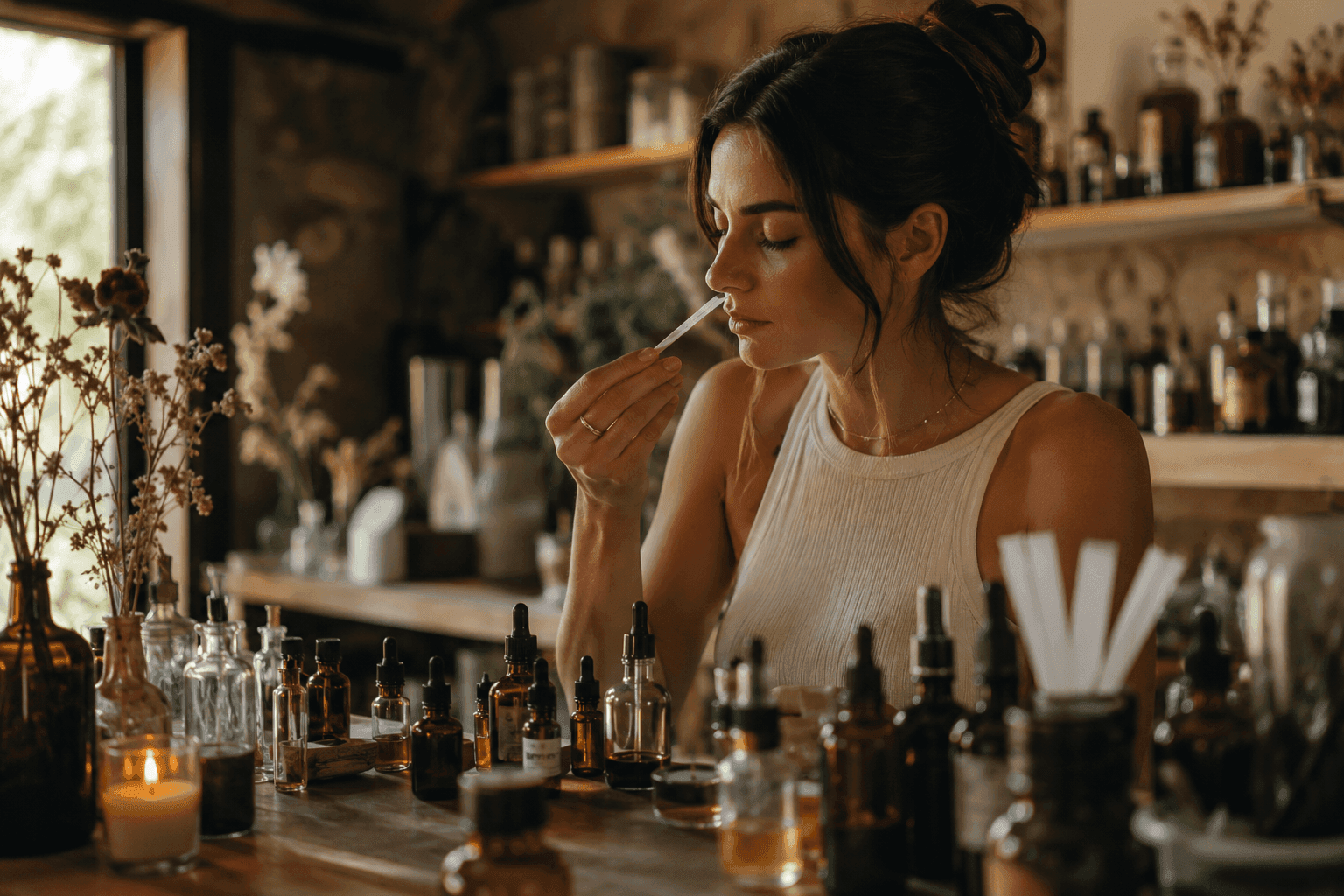
Smell is the sense most tied to memory. In many disciplines scent is already part of the work (wood, wax, spices in cooking); where it isn't, a clean space and a candle or a subtle infusion help. Offering something to drink — a coffee, a herbal tea, a glass of wine if the setting allows — isn't a service detail: it's a gesture of hospitality that puts people at ease.
- Look after the order and cleanliness of the bench: clutter is 'felt' and creates unease.
- Leave a few of your finished pieces in view: they inspire and show where you can get to.
- Mind the room temperature: too cold or too hot ruins even the technically best workshop.
The first thirty seconds: the welcome
All of your sensory direction has its most important moment at the start: the first thirty seconds, when the person steps through the door: a thoughtfully prepared welcome kit reinforces this first impact even further. That's where the impression forms that will colour everything else. A tidy space, warm light, a smile, a pleasant scent and maybe something to drink offered straight away put the guest at ease before things even begin. Looking after the welcome is the single sensory investment with the highest return: it primes people to enjoy everything that comes next.
Coherence: the atmosphere should look like you
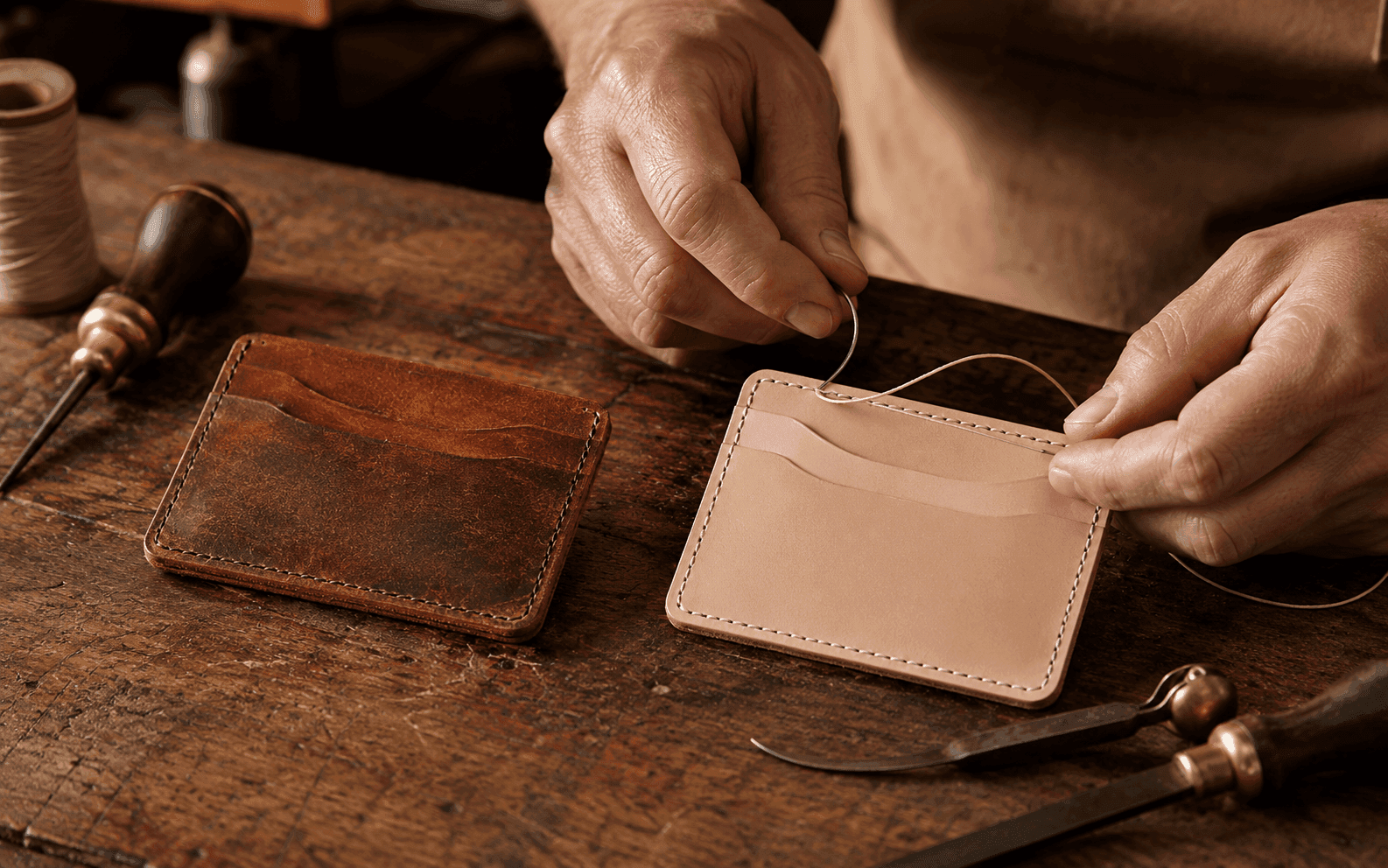
There's no 'right' atmosphere in absolute terms: there's the one that's coherent with you and your discipline. A rustic ceramics studio calls for a different atmosphere from a refined perfumery; a convivial cooking workshop has a different energy from a meditative weaving session. The mistake is copying an aesthetic that isn't yours. The most powerful atmosphere is the authentic one, the one that tells who you are: people sense the difference between a genuine space and a contrived one, and they trust the first.
Domande frequenti
- Do I really have to offer participants something to drink?
- It's not compulsory, but a small gesture of hospitality (water, coffee, a herbal tea) immediately lowers people's guard and makes the atmosphere warmer. It's one of the cheapest investments in the experience.
- What music should I play during a workshop?
- Instrumental or unobtrusive, at low volume: it should fill the silences without drowning out conversation. Turn it down during explanations and adjust it to the group's energy.
- Does the atmosphere really matter more than the technique?
- No: the technique is the substance and always comes first. But with equal teaching, the atmosphere is what people remember and talk about, and so it's what brings in new clients.
- How do I know if my studio's atmosphere works?
- Watch how people behave: if they relax, chat and happily linger even after the end, the atmosphere works; if they seem uneasy or in a hurry to leave, something is off. Direct feedback ('how did you find it here?') and the photos participants take and share also tell you a lot about what stands out in your space.
Tell the story of your workshop and your experiences on Handsome: a free profile, booking management and visibility to people looking for exactly what you do.
Create your artisan profile