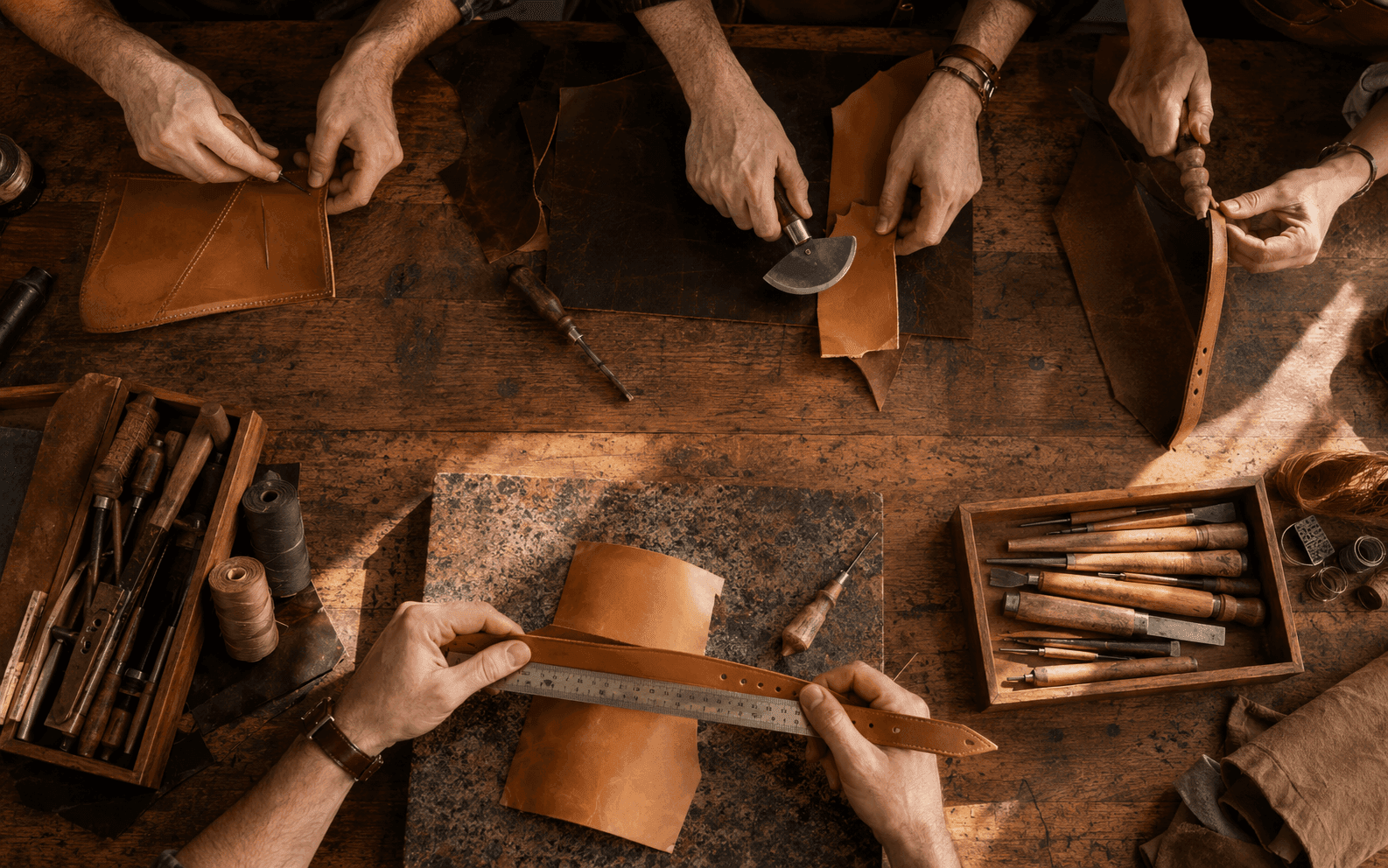
Every workshop business has its quiet moments: the comedown after the holidays, certain sluggish months, the stretches when people's minds are elsewhere. The low season is scary, because fewer bookings mean less income and that little voice saying 'I'm doing something wrong.' But there's another way to see it: with fewer workshops to run, you finally have time for all the things you keep putting off in peak season. The low season isn't a hole to endure: it's the workshop where you build the strength you'll use when demand returns.
The secret is to arrive with a plan. Those who face the quiet stretches without knowing what to do live them with anxiety and waste them; those who have a list of useful things to do turn them into an investment. Here are six concrete things to work on.
1. Improve your listings and photos
In peak season you never have time to fine-tune how your workshops are presented. Now you do. Reread your descriptions, rewrite them clearer and more engaging, add the FAQs, sort out your cover photos. A better listing works for you with every future booking: it's one of the most profitable investments you can make precisely when you have the time to do it well.
2. Create content for the busy months
The peak periods leave you with no energy for social media. The low season is the time to take photos, record short videos, build up a stock of content ahead of time to post when you're swamped. Reaching peak season with material already prepared lets you stay visible exactly when it matters most, without having to produce it in your busiest days.
3. Develop or refine a new workshop
Have you had an idea brewing for a while — a new workshop, an advanced level, a themed edition? The low season is the perfect lab to design it calmly, test it, polish the outline. That way, when demand returns, you have a new offering ready to launch instead of having to throw one together in a hurry.
4. Reactivate past participants
With more time on your hands, set aside a few hours to reach back out to people who've already taken one of your workshops. A warm message, a new offering to suggest, the announcement of upcoming dates: the low season is the ideal moment to nurture the relationship with those who already know you, and it's often where the first bookings of the recovery come from.
5. Build collaborations and contacts
Partnerships take time and relationship-building, two things in short supply in peak season. Use the quieter months to talk with shops, associations, other makers, hospitality venues, and lay the groundwork for collaborations that'll bear fruit in the busy months. The seeds planted now sprout when the good season comes back around.
6. Take care of yourself and your craft
Not everything has to be about productivity. The low season is also the time to genuinely rest, experiment with new techniques for the pure pleasure of it, do some training, rediscover the inspiration that peak season burns through. A maker who reaches the busy months rested and full of fresh ideas is worth more than an exhausted one. Caring for yourself and your creativity counts as work in every sense.
Domande frequenti
- Does the low season mean I'm doing something wrong?
- No: almost every workshop business has natural cycles of demand. Seasonal dips are normal. What makes the difference isn't avoiding them, but how you use them: enduring them with anxiety, or making the most of them to build what will make you stronger for the recovery.
- Is it worth running promotions during the low season?
- It can help, if it's targeted: a special themed edition or a small promotion can stimulate demand in the weaker periods. But don't undersell your work: it often pays more to invest the time in listings, content and relationships than to claw back a few discounted bookings.
- What's the most useful thing to do during the quiet stretches?
- It depends on you, but improving your listings and photos and preparing content for the busy months are among the most profitable, because they work for you with every future booking. Reactivating past participants also often pays off quickly when business picks back up.
- Should I work even when I have no bookings?
- Work, yes, but differently: not on running sessions, but on building (listings, content, new workshops, relationships) and on caring for yourself and your creativity. A plan of activities turns empty time into an investment instead of anxiety.
Create your profile for free and fine-tune your listings, photos and dates at your own pace: you'll reach the peak periods with everything already set to work for you.
Use the low season to grow on Handsome